
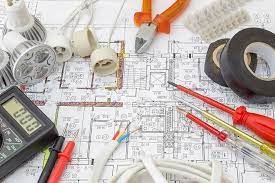
Electrical estimating is both a science and an art. It requires technical knowledge of electrical systems, attention to detail, and the ability to anticipate challenges that affect installation costs. Whether you are estimating a residential service upgrade or a commercial electrical installation, following best practices will improve your accuracy and competitiveness. This guide covers the essential strategies for estimating electrical construction projects.
Understand the Scope Thoroughly
The foundation of accurate electrical estimating is a thorough understanding of the project scope. Before you begin calculating costs, ensure you have a complete picture of what is required.
Review all documents — Study electrical drawings, specifications, and addenda carefully. Pay attention to the electrical scope of work, which defines what is included and what is excluded. Look for any special requirements, such as emergency systems, fire alarm systems, or low-voltage systems.
Identify the electrical systems — Most projects include multiple electrical systems: power distribution, lighting, fire alarm, security, data/communications, and sometimes specialty systems like solar PV or EV charging. Ensure you understand the requirements for each system. Dedicated scopes such as fire alarm estimating and low-voltage estimating each carry their own material and labor rules, so price them as distinct line items.
Note the specifications — Electrical specifications define the quality and performance requirements for materials and equipment. Higher specifications mean higher costs. Pay attention to panel specifications, wire types, device grades, and equipment requirements.
Check for coordination requirements — Electrical systems must coordinate with other trades, including HVAC, plumbing, and structural systems. Identify coordination requirements that affect electrical costs, such as sleeve and penetration requirements, equipment clearances, and access requirements.
Perform Accurate Takeoffs
Accurate takeoffs are essential for electrical estimating. Modern digital takeoff tools make the process faster and more accurate, but you still need to know what to measure and how to organize your data. Our electrical estimating services follow the same system-by-system discipline described here.
Measure systematically — Work through the project systematically, level by level and system by system. Start with the service entrance and work through the distribution system to the branch circuits and devices.
Count devices accurately — Electrical devices — outlets, switches, fixtures, and equipment — are the most time-consuming items to count. Use digital tools to count devices quickly and accurately. Organize counts by type and location.
Measure conduit and wire — Measure conduit runs and wire lengths carefully. Account for vertical runs, offsets, and routing requirements. Remember that wire length is typically 5-10% longer than conduit length due to slack and termination requirements.
Don’t forget accessories — Electrical estimating includes many accessory items: junction boxes, pull boxes, fittings, supports, and identification. These items add up and should not be overlooked. A disciplined quantity takeoff workflow keeps these small items from slipping through.
Apply Realistic Labor Rates
Labor is typically the largest component of electrical costs. Applying realistic labor rates is essential for accurate estimates.
Use current union rates — In New Jersey, many electrical contractors operate under union agreements. Use current union labor rates for your estimates, including all fringe benefits and payroll taxes. Our labor cost estimating team can benchmark crew hours and rates against current NJ market data.
Account for productivity — Labor productivity varies based on project conditions. Tight spaces, high ceilings, occupied buildings, and coordination with other trades all reduce productivity. Adjust your labor hours to reflect actual project conditions.
Include all labor components — Electrical labor includes installation, supervision, layout, and cleanup. Ensure your estimate includes all labor components, not just the installation labor.
Price Materials Accurately
Material costs represent a significant portion of electrical estimates. Accurate material pricing requires current market data and attention to supplier terms.
Get current quotes — Material prices fluctuate regularly. Get current quotes from electrical suppliers for major items like panels, switchgear, and wire. For smaller items, use updated pricing from supplier catalogs or estimating databases.
Account for lead times — Long-lead items like switchgear, transformers, and generators may require early ordering. Include any expediting costs or premium charges in your estimate.
Include sales tax and delivery — Remember to include sales tax and delivery charges in your material costs. These can add 8-10% to material costs. Current NJ unit pricing is summarized in our electrical estimating cost guide.
Common Electrical Estimating Mistakes to Avoid
Missing scope items — The most costly estimating mistake is missing scope items. Use a checklist to ensure you have included all electrical systems and components.
Underestimating labor — Electrical labor is often underestimated, particularly for complex installations or challenging project conditions. Be realistic about labor hours.
Ignoring waste factors — Materials have waste factors that must be included in estimates. Wire, conduit, and fittings all have typical waste percentages that vary by material type and installation method.
Forgetting code requirements — Electrical codes require specific installations that add costs. Ensure your estimate includes all code-required items, such as AFCI and GFCI protection, grounding, and bonding.
Overlooking low-voltage systems — Low-voltage systems — fire alarm, security, data, and communications — are often overlooked in electrical estimates. These systems can represent a significant portion of electrical costs.
Conclusion
Estimating electrical construction projects requires technical knowledge, attention to detail, and a systematic approach. By understanding the scope thoroughly, performing accurate takeoffs, applying realistic labor rates, and pricing materials accurately, you can develop estimates that are both competitive and profitable. Avoid common mistakes by using checklists, staying current with market conditions, and learning from past projects.

Apex Accuracy Estimating Inc. delivers accurate, bid-ready electrical estimating for contractors across New Jersey. Upload your plans for a free quote or contact our team to discuss your next project.
Apex Accuracy Estimating
Apex Accuracy Estimating Inc. provides professional construction estimating services across New Jersey. Our team of experienced estimators delivers accurate, detailed estimates for residential, commercial, and industrial projects.
Related estimating services
Electrical Estimating
Expert electrical estimating services in New Jersey. Accurate takeoffs, labor projections, and material pricing for residential and commercial projects. Request a quote.
Fire Alarm Estimating
NFPA-72 fire alarm estimating in New Jersey. Device counts, wiring, panel programming and testing budgets for commercial projects. Get a quote.
Low-Voltage Estimating
Low-voltage estimating in New Jersey. Structured cabling, security, access control, AV and networking takeoffs for smart buildings. Get a quote today.
Related articles



Send your plans. Bid tomorrow.
Upload drawings tonight — itemized CSI takeoff with labor + materials in 24–48 hours. Free quote, no obligation.
- ✓ CSI MasterFormat sheets
- ✓ NJ labor rates
- ✓ Bid-day support