

Mechanical estimating is one of the most challenging and rewarding specialties in construction estimating. Mechanical systems — HVAC, plumbing, and process piping — represent a significant portion of construction costs, and accurate mechanical estimating is essential for profitable project execution. Whether you are an experienced estimator looking to sharpen your skills or a newcomer to the field, this guide will help you become a better mechanical estimator.
Looking for a deeper technical walkthrough? Our companion guide on mastering mechanical estimating covers advanced HVAC and plumbing takeoff methods in detail.
Develop Strong Technical Knowledge
The foundation of mechanical estimating is technical knowledge. You must understand how mechanical systems work, how they are installed, and what factors affect their cost. This knowledge comes from a combination of education, field experience, and continuous learning.
Study mechanical systems — Learn the components of HVAC systems, including air handlers, chillers, boilers, VRF systems, and ductwork, the same scope covered by our HVAC estimating services. Understand plumbing systems, including water supply, drainage, venting, and gas piping, as detailed in our plumbing estimating services. Familiarize yourself with process piping systems used in industrial and commercial applications.
Read specifications and codes — Mechanical estimating requires thorough understanding of project specifications, mechanical codes, and industry standards. Study the International Mechanical Code (IMC), Uniform Plumbing Code (UPC), and ASHRAE standards. Understanding these requirements helps you identify scope items that affect costs.
Learn from field experience — Nothing replaces hands-on field experience for understanding mechanical installation. If you have the opportunity, spend time on job sites observing mechanical installation. Talk to foremen and superintendents about installation methods, productivity rates, and common challenges.
Master Estimating Software and Tools
Modern mechanical estimating relies heavily on technology. Proficiency with estimating software is essential for efficiency and accuracy.
Digital takeoff software — Learn to use digital takeoff tools like PlanSwift, Bluebeam, or On-Screen Takeoff. These tools allow you to measure ductwork, piping, and equipment quantities quickly and accurately. Practice using these tools regularly to build speed and proficiency. Our quantity takeoff services show how a professional team applies the same tools on live projects.
Estimating databases — Familiarize yourself with estimating databases like RSMeans, Craftsman, or Beck Technology. These databases provide current cost data for mechanical labor and materials. Learn to customize database entries to reflect your specific project conditions and productivity rates.
Spreadsheet proficiency — Strong Excel skills are essential for mechanical estimating. Learn to build and use estimating templates, create formulas for calculations, and organize data effectively. Many estimators use Excel as their primary estimating tool, even when using specialized software for takeoffs.
Improve Your Estimating Process
A systematic approach to mechanical estimating improves both accuracy and efficiency.
Develop a consistent workflow — Create a standard process for every estimate. Start with a thorough review of drawings and specifications. Identify all mechanical systems and components. Perform takeoffs systematically, working through the project in a logical order. Apply costs consistently and review your work before finalizing. Contractors who need backup on that workflow often turn to our mechanical estimating services for bid-ready numbers.
Document your assumptions — Every estimate includes assumptions about productivity rates, material costs, and project conditions. Document these assumptions clearly so that others can understand your reasoning and so that you can revisit them if conditions change.
Build a historical database — Track your estimates against actual project costs. This feedback loop is one of the most valuable tools for improving your estimating accuracy. Analyze variances between estimated and actual costs to identify areas for improvement.
Stay organized — Mechanical estimating involves large amounts of data. Develop systems for organizing drawings, specifications, takeoff data, and cost information. A well-organized estimate is easier to review, revise, and defend.
Develop Soft Skills
Technical skills alone are not enough. Successful mechanical estimators also need strong soft skills.
Communication skills — You must be able to communicate your estimates clearly to project managers, superintendents, and clients. Learn to present cost information in a clear, concise manner. Be prepared to explain your assumptions and defend your numbers.
Time management — Estimating often involves tight deadlines. Develop strong time management skills to ensure you can deliver accurate estimates on time. Prioritize your work, set realistic deadlines, and communicate proactively if you anticipate delays.
Attention to detail — Mechanical estimating requires meticulous attention to detail. Small errors in takeoff or pricing can have significant impacts on project costs. Develop habits that minimize errors, such as double-checking your work and using checklists.
Continuous learning — The construction industry is constantly evolving. New materials, new systems, and new codes are introduced regularly. Commit to continuous learning through industry publications, professional development courses, and networking with other estimators.
Build Your Network
Networking with other construction professionals can accelerate your development as a mechanical estimator.
Join professional organizations — Organizations like the American Society of Professional Estimators (ASPE) offer networking opportunities, educational resources, and professional development. Attend chapter meetings and conferences to connect with other estimators.
Connect with contractors and suppliers — Building relationships with mechanical contractors and suppliers provides valuable insights into current costs and installation methods. These relationships can also lead to job opportunities and professional growth.
Find a mentor — An experienced mechanical estimator can provide guidance, share knowledge, and help you navigate career challenges. Seek out mentors who are willing to share their experience and expertise.
Conclusion
Becoming a better mechanical estimator is a journey that requires continuous learning, practice, and dedication. By developing strong technical knowledge, mastering estimating software, improving your process, building soft skills, and networking with industry professionals, you can advance your career and deliver more accurate, valuable estimates. The investment you pay in developing your skills will pay dividends throughout your career.
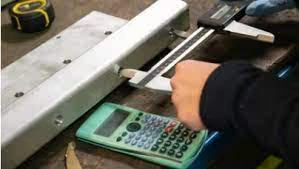
Apex Accuracy Estimating Inc. delivers accurate, bid-ready mechanical estimating for contractors across New Jersey. Upload your plans for a free quote or contact our team to discuss your next project.
Apex Accuracy Estimating
Apex Accuracy Estimating Inc. provides professional construction estimating services across New Jersey. Our team of experienced estimators delivers accurate, detailed estimates for residential, commercial, and industrial projects.
Related estimating services
HVAC Estimating
Reliable HVAC estimating services in New Jersey. Ductwork, equipment, and installation cost projections for commercial and residential projects. Get started now.
Mechanical Estimating
Comprehensive mechanical estimating services in New Jersey. Piping, equipment, and system installation cost projections. Contact us for a project quote.
Plumbing Estimating
Accurate plumbing estimating services in New Jersey. Piping, fixtures, and equipment cost projections for all project types. Get a quote.
Related articles

Mastering Mechanical Estimating: From Basics to Advanced Techniques
Read guide →
Estimating Electrical Construction Projects: Best Practices and Tips
Read guide →
What Is Earthwork in Construction: A Comprehensive Guide
Read guide →Send your plans. Bid tomorrow.
Upload drawings tonight — itemized CSI takeoff with labor + materials in 24–48 hours. Free quote, no obligation.
- ✓ CSI MasterFormat sheets
- ✓ NJ labor rates
- ✓ Bid-day support